BONFIRE
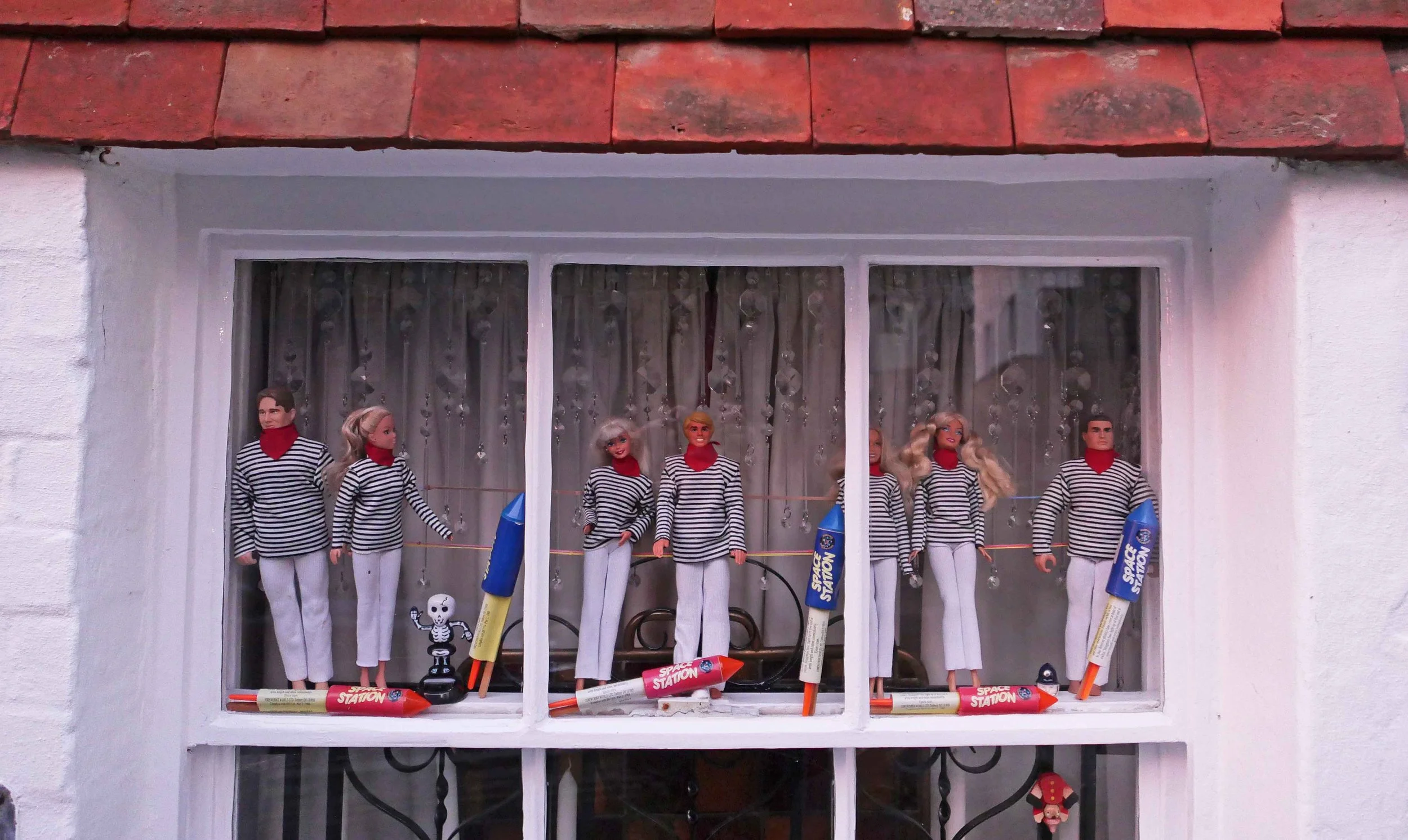
The fifth of November, or Bonfire Night is something the people of Sussex take very seriously. Many local towns have bonfire societies but the biggest and most visited is Lewes where it is the town’s annual highlight. The tradition comes from the foiled 1605 plot to blow up the Houses of Parliament by Catholic conspirators like Robert Catesby and Guido Fawkes, but in Lewes it is also a time to remember the seventeen Protestant martyrs who were burned at the stake as part of the Marian Persecutions.
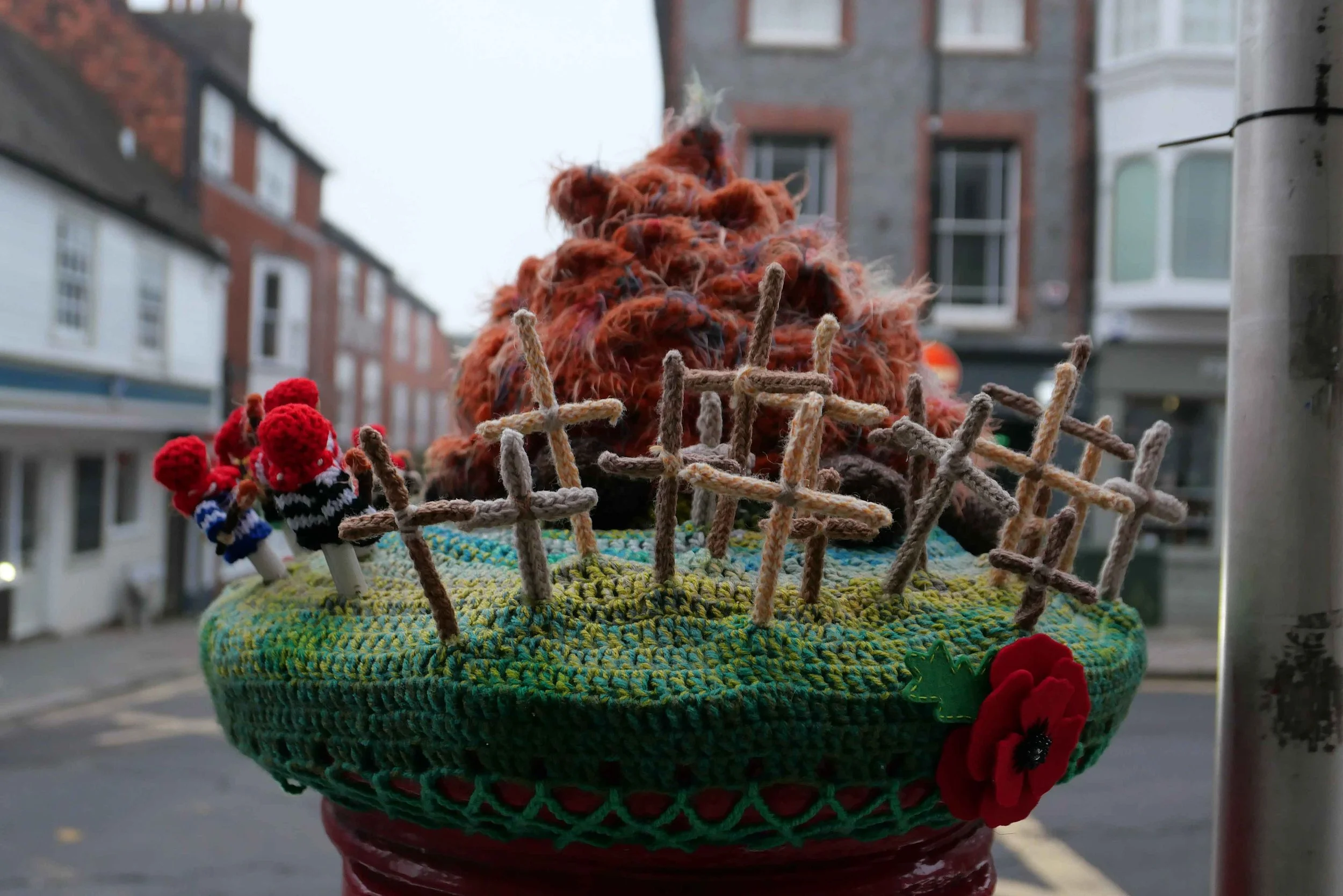
There are several bonfire societies most of which are longstanding and several generations of families take part in processions around the town that lead to their individual bonfires. Traditionally they were a lot rowdier but are now organised and raise a lot of money for charity. For a long time the tagline was ‘No Popery’ but these days that message has been largely dropped along with other antiquated practices and I like to think that now it’s a celebration of the towns liberal mindedness and independence. ‘We wunt be druv’ they say in Sussex. But there is still an air of menace, lots of loud bangs and lots of fire.
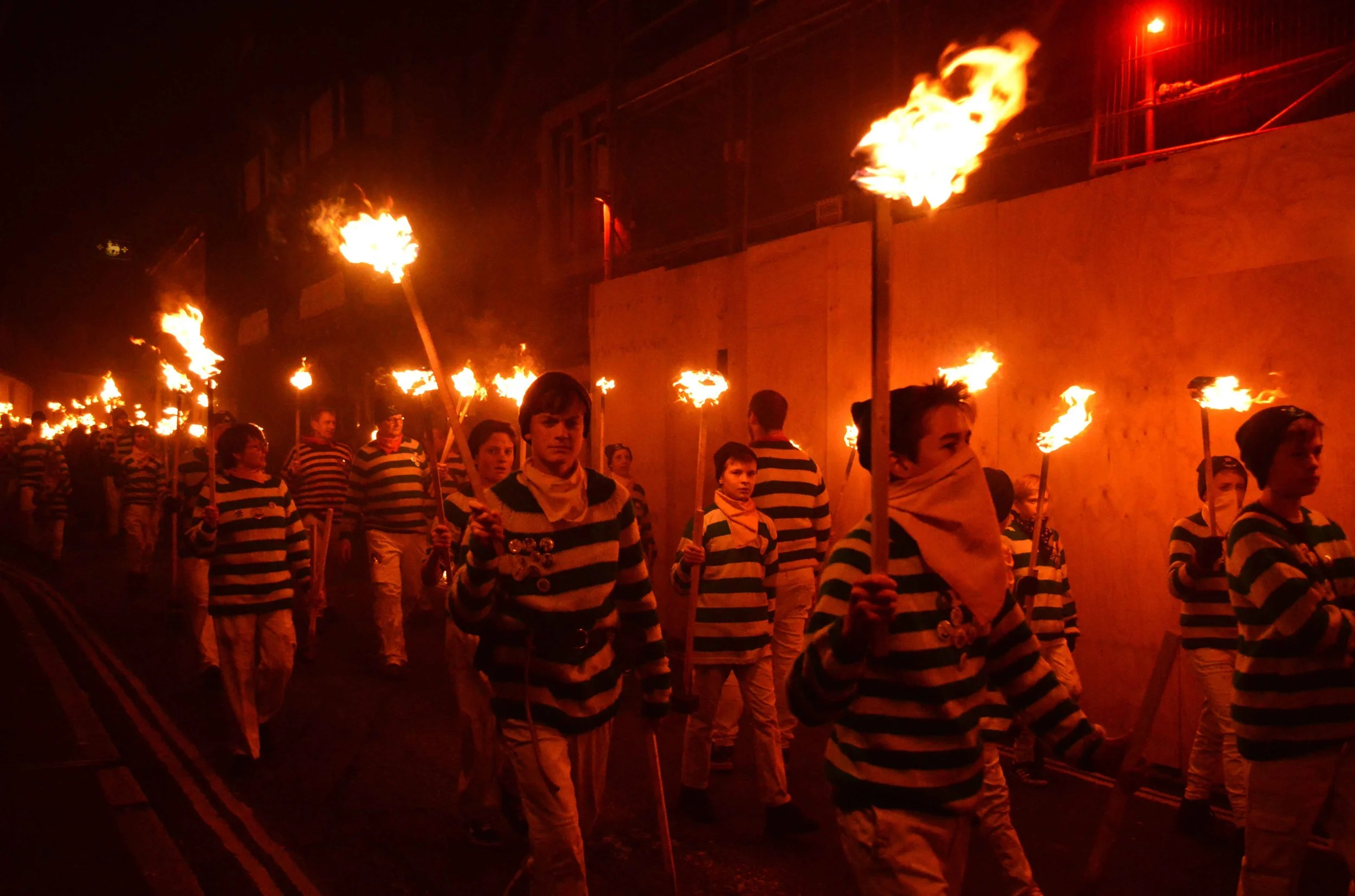
In the 25 years I have lived here I have been through every stage of bonfire: ignorance, curiosity, enthusiasm, participation, annoyance, boredom, indifference. I am now happy just to observe it. In recent years I particularly enjoy seeing the effigies of heads of politicians and other deserving candidates being processed around the town before taken away to be burnt. This year it was Infantino who got it, but there are so many to choose from in 2026. I also enjoy walking around traffic-free streets and being able to see the buildings properly. This is an event that brings the community together and how important is that in an increasingly disconnected world?